Ace Racer crashing on startup on Android? Learn how to fix black screens, clear corrupted cache, update WebView, and launch your races without data loss.
Nothing ruins game night faster than tapping an icon only to stare at a pitch-black screen before your phone dumps you back to the home launcher. When NetEase's arcade title refuses to boot, the issue usually stems from a bottleneck during initial asset decompression, an authentication handshake timeout, or a broken system web component. You do not need to wipe your entire phone or sacrifice your save data to get back on the asphalt.
Players frequently delete and redownload the entire multi-gigabyte package out of frustration, only to face the exact same black screen. The game engine itself is rarely at fault. Android handles background memory allocation, shader compiling, and network security tokens in strict sequences. If any step fails during the initial five-second boot sequence, the operating system kills the process immediately.
Game Launch Sequence:
[Tap App Icon] ──> [OS Memory Allocation] ──> [WebView Auth Handshake] ──> [Shader Pre-Cache] ──> [Garage Screen]
                           │                               │                         │
                    Low RAM / Storage             Outdated System             Corrupted Cache
                    Force-Kills Engine            WebView Freezes             Triggers Black Screen
Start with low-friction cache purges before attempting system-level fixes to resolve launch freezes without risking personal data.
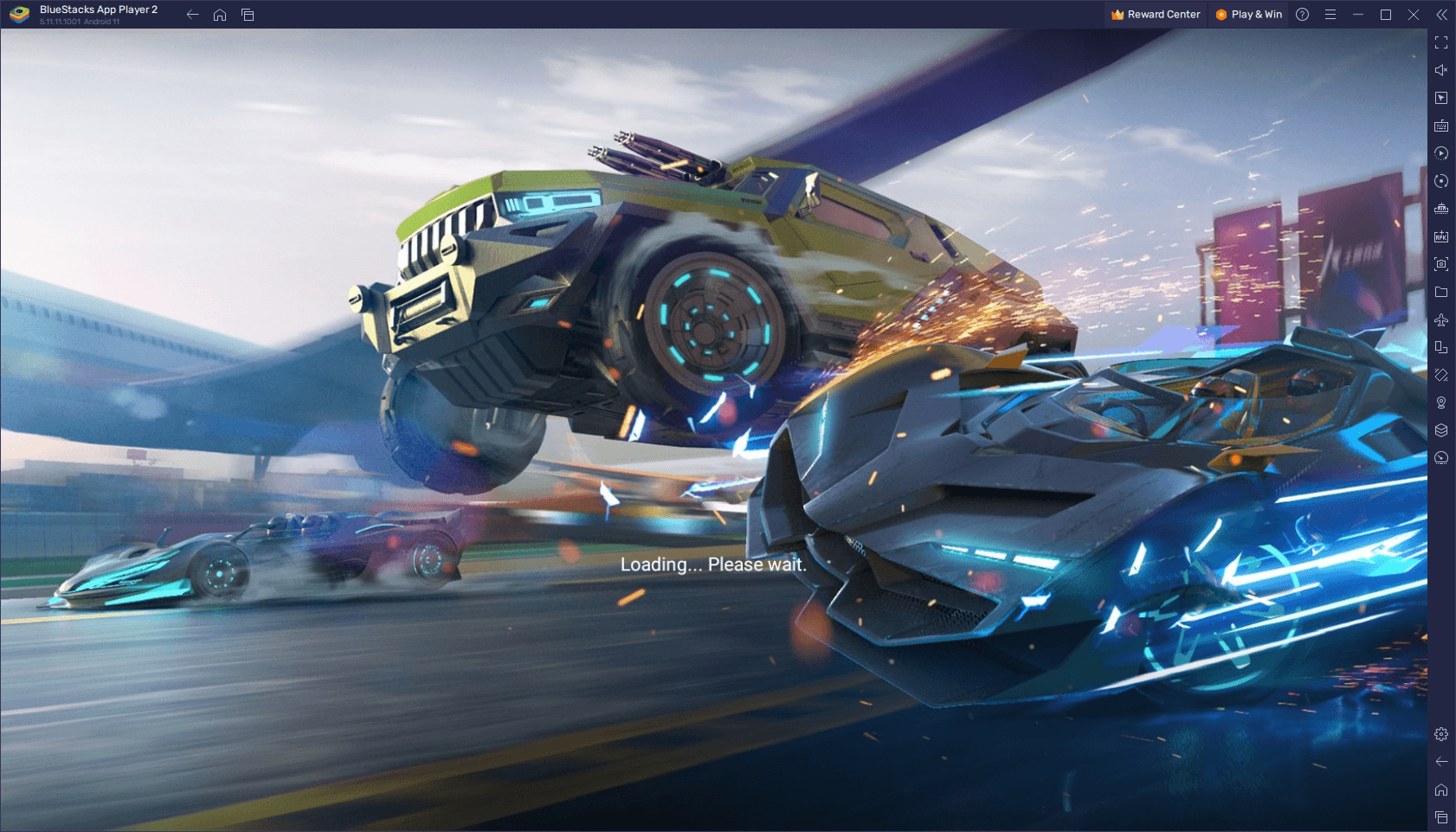
Why Ace Racer Crashes During Launch and Initialization
During startup, Ace Racer executes several resource-heavy runtime tasks. It calls Android System WebView for account authentication, allocates high-resolution texture memory, and initializes 3D graphics libraries. If system resources fall short, the OS kernel terminates the process instantly.
Hardware thermal state is another critical factor. If you just finished a long session in another demanding 3D title or disconnected from a fast charger, thermal throttling kicks in. Mobile chipsets terminate heavy rendering engines on boot when temperatures cross safety thresholds. Letting your device cool for five minutes stops premature kernel kills before the logo screen loads.
Driver conflicts also trigger immediate crashes. Many 64-bit Android builds use the Vulkan graphics API. While Vulkan is supported on Android 7 (API 24) and standard on Android 10+ devices (covering roughly 85% of active hardware), specific Adreno GPU drivers fail during shader parsing. When the engine attempts to compile runtime shaders on an unpatched driver, it hangs and defaults to a black screen.
Common Launch Crash Culprits:
├── Corrupted Temporary Cache: Stale shader files failing integrity checks
├── Android System WebView: Outdated web rendering components blocking auth
├── Low Storage Buffer: Under 10% free space halting asset extraction
├── Thermal Throttling: High SOC temperatures prompting kernel termination
└── Network Handshake Drops: Packet loss during initial asset validation
Network latency spikes during splash-screen asset verification create silent crashes as well. Dropped packets during manifest checks cause the client to time out and shut down. Verify a stable connection before checking Ace Racer top up options for upcoming seasonal track rides.

Ace Racer Tokens
65 Tokens (60 + 5 Bonus)
 65 Tokens (60 + 5 Bonus)USD 0.64Buy Now
Ace Racer-270 (250 + 20) Tokens
Ace Racer-270 (250 + 20) TokensUSD 2.57Buy NowAce Racer-740 (680 + 60) Tokens
Ace Racer-740 (680 + 60) TokensUSD 6.42Buy NowAce Racer-1300 (1180 + 120) Tokens
Ace Racer-1300 (1180 + 120) TokensUSD 11.56Buy NowAce Racer-3180 (2880 + 300) Tokens
Ace Racer-3180 (2880 + 300) TokensUSD 29.44Buy NowAce Racer-6530 (5880 + 650) Tokens
Ace Racer-6530 (5880 + 650) TokensUSD 57.71Buy Now
Hardware Benchmarks and OS Compatibility Realities
Confirm baseline hardware requirements before spending time modifying system configurations. Official documentation contains conflicting specifications: one entry lists Android 4.3 for the global NA client, while regional distributions mandate Android 5.0 or higher for stability.
Running modern 3D titles on operating systems below Android 10 presents severe stability risks. Even when Android 4.3 or 5.0 devices install the package, legacy operating systems lack the memory management optimizations and Vulkan driver revisions needed for stable race rendering.
Storage overhead is equally vital. Android requires an active buffer to unpack archives dynamically. A full internal drive prevents the engine from generating local memory pages.
The following baseline figures outline the operating parameters required to prevent memory allocation crashes during boot:
| System Component | Minimum Documented | Recommended Threshold | Primary Impact on Game Launch |
|---|---|---|---|
| Android OS Version | Android 4.3 (Regional: 5.0+) | Android 10.0+ (64-bit) | Prevents API mismatch and runtime permission crashes |
| Graphics API | OpenGL ES 3.0 | Vulkan (API 24 / Android 7+) | Eliminates Adreno driver freezes and shader black screens |
| Free Internal Storage | 10% Total Capacity | 3 to 4 GB Unallocated | Allows safe decompression of boot assets and texture cache |
| System Architecture | 32-bit ARM | 64-bit ARM (85% standard) | Ensures compatibility with modern high-resolution packages |
| Thermal State | Normal Operating Temp | Below 38°C (No Throttling) | Prevents immediate OS kernel process termination on boot |
Maintaining at least 3 to 4 GB of unallocated local storage alongside a 64-bit OS build ensures your phone has the breathing room needed to boot without hitting memory ceilings.
Freeing up local drive space remains the quickest hardware-level fix for recurring launch failures on older builds.
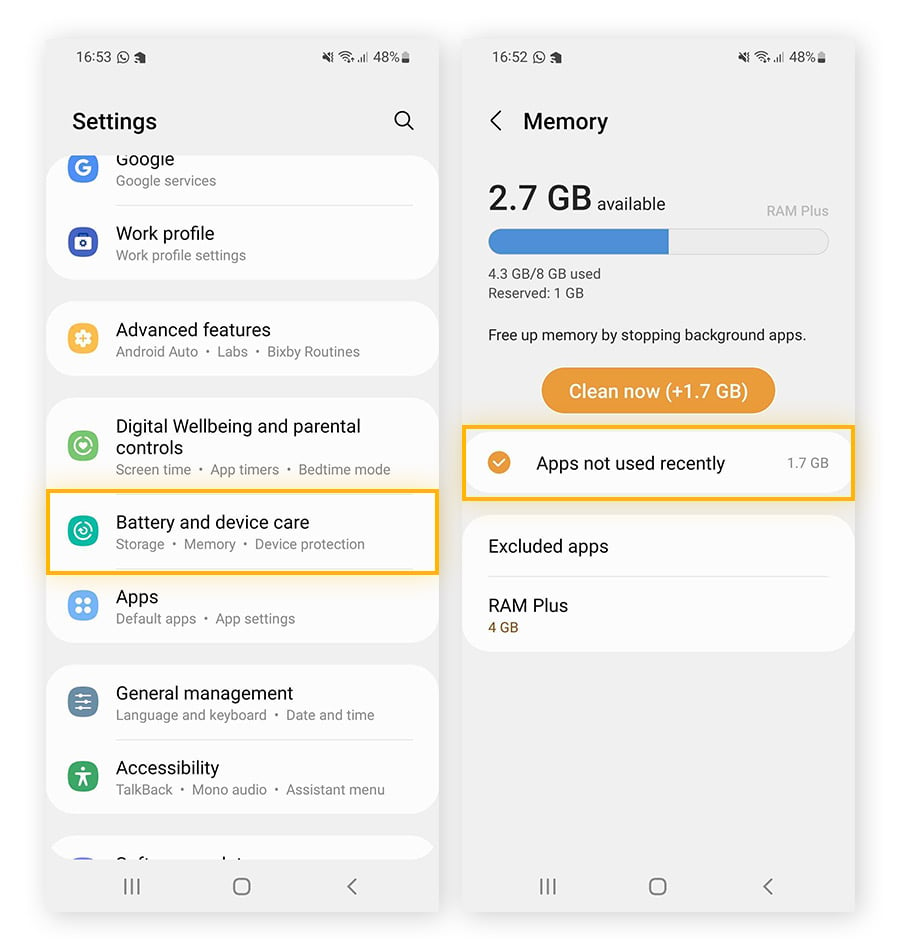
Immediate Non-Destructive Fixes for Boot Failures
Begin troubleshooting with zero-risk fixes that preserve your local configurations, custom controls, and linked credentials.
First, perform a hard reboot. Standard quick restarts frequently leave cached system states in volatile memory. Hold down the Power button for 30 seconds, or hold Power and Volume Down simultaneously for 10 seconds. This flushes stalled GPU instruction queues and clears background memory leaks.
Next, kill lingering background processes. An improper shutdown can leave stuck sub-processes in the Android task manager, blocking fresh launch requests.
Follow these steps to execute a clean force stop and cache purge:
- Open your device Settings and tap Apps (or Apps & Notifications).
- Scroll down and select Ace Racer from the installed applications list.
- Tap Force Stop to kill any hung background processes.
- Tap Storage & cache.
- Tap Clear Cache.
Settings > Apps > Ace Racer > Storage & Cache > [Clear Cache]
  (Keeps account login safe while deleting corrupted runtime shaders)
Do not tap "Clear Storage" or "Clear Data" during this step. Clearing the cache only purges temporary shader files and stored web previews. Your account bindings, sensitivity settings, and key mappings remain intact.
Clock drift is another frequent crash trigger. If your system clock drifts by a few seconds from network time, security certificates fail during boot. Navigate to Settings > System > Date & Time, then toggle Set time automatically off and back on. This resynchronizes your SSL authentication tokens with network servers, stopping login handshake drops.
System Component and Network Handshake Adjustments
If cache clearing fails to bypass the splash screen, the fault likely rests with shared system components or local network routing. Android games rely directly on Android System WebView to display user agreements, customer support forms, and login interfaces. An outdated WebView build freezes the engine the moment that component is called.
Open the Google Play Store, search for Android System WebView, and tap Update if a new build is available. Major operating system updates can leave system components desynchronized until manually refreshed.
Network stability during the first five seconds is equally decisive. The engine queries remote servers to verify version manifests; high-latency connections or packet drops cause the handshake to time out.
Handshake Triage Checklist:
[ ] Disable active VPN profiles (prevents regional gateway mismatches)
[ ] Turn off system-wide AdBlockers / Private DNS (resolves blocked auth domains)
[ ] Toggle Airplane Mode for 5 seconds (resets cellular/Wi-Fi radio interfaces)
[ ] Switch from congested 2.4 GHz Wi-Fi to mobile data for initial launch
Android's Power Saving Mode also interferes with startup. When active, it caps CPU clock speeds and reduces GPU voltage, stopping the graphics processor from initializing dynamic track assets. Turn off Power Saving Mode in your quick settings dropdown before launching.
Review this diagnostic matrix to match startup symptoms with their technical resolutions:
| Launch Failure Symptom | Probable Root Cause | Target Fix Action | Risk to Account Data |
|---|---|---|---|
| Black screen after publisher splash | Corrupted runtime shader cache | Clear App Cache via Settings | None (100% safe) |
| Immediate crash on app tap | Outdated WebView or OS conflict | Update Android System WebView | None (100% safe) |
| Infinite spinning wheel on login | Network timeout or VPN blockage | Disable VPN / Private DNS | None (100% safe) |
| Freezes after system OS update | Stale system cache partition | Wipe Cache Partition (Recovery) | None (100% safe) |
| Crash during initial asset unpack | Internal storage under 10% buffer | Free up 3-4 GB local storage | None (100% safe) |
| Persistent fatal error dialog | Corrupted base APK installation | Clear App Data or Fresh Reinstall | Requires account re-login |
Targeting specific crash symptoms prevents unnecessary app deletions and preserves your local settings across troubleshooting steps.
Once network routes and system components are verified, check Ace Racer top up deals to ensure account authentication and store connectivity are synchronized.
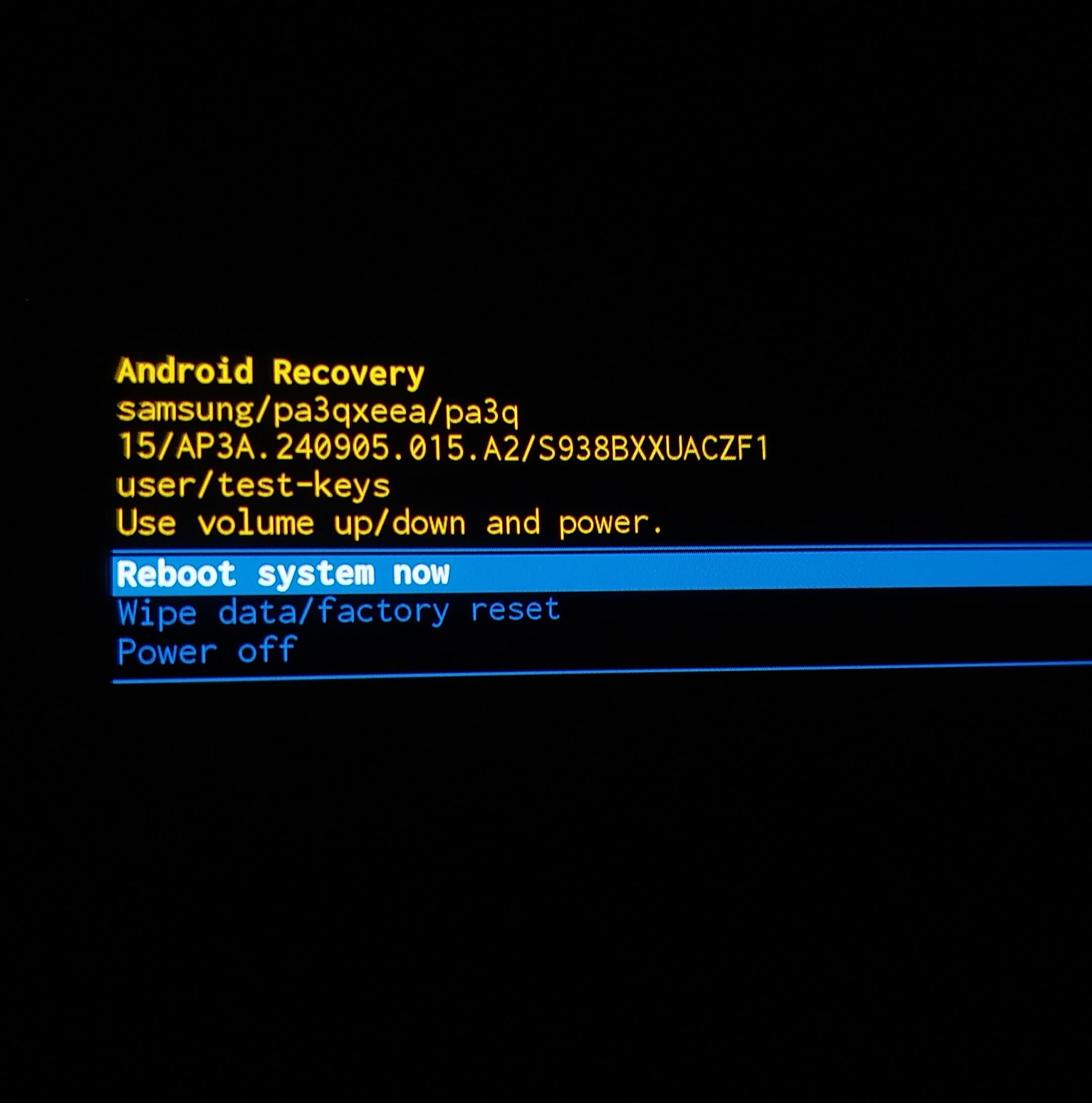
Clearing System Partitions and Deep Device Diagnostics
Major Android updates can leave stale rendering instructions in the device's system cache partition that standard app-level purges cannot touch. Wiping this partition clears temporary OS-level runtime files across all apps without touching photos, contacts, or personal data.
Entering Android Recovery Mode allows you to wipe the system partition directly. Button combinations differ slightly by manufacturer, but the core procedure remains standard across handsets.
Follow these steps to clear the device cache partition cleanly:
- Power off your Android device completely.
- Press and hold the Power Button and Volume Up button simultaneously until the manufacturer logo appears.
- Release the buttons once the Android Recovery screen loads.
- Use the physical Volume Down button to highlight Wipe Cache Partition.
- Press the Power Button to confirm your selection.
- Highlight Yes and press Power to execute the wipe.
- Once the process completes, select Reboot system now.
[Power Off] ──> Hold [Power + Vol Up] ──> [Recovery Mode] ──> [Wipe Cache Partition] ──> [Reboot]
This process clears corrupted OS-level render hooks left behind by monthly security patches, resolving driver conflicts with the Ace Racer graphics pipeline.
If crashes persist, reset the app's local workspace. Head to Settings > Apps > Ace Racer > Storage & cache and select Clear Storage (or Clear Data). This resets the game to its clean installation state, wiping corrupted preference files, broken download tables, and expired session tokens.
Warning: Clearing app data logs you out. Link your game account to email, Google Play Games, or a social login before proceeding. On the next boot, the game will download fresh runtime configurations.
Step-by-Step Emergency Troubleshooting Protocol
Follow this ordered diagnostic progression when troubleshooting startup freezes:
Troubleshooting Progression:
[Step 1: Soft Triage] ──> [Step 2: App Purge] ──> [Step 3: Component Update] ──> [Step 4: Storage & Reinstall]
  • 30s Hard Reboot         • Force Stop              • Update System WebView       • Free 4 GB Storage
  • Cool Down Device        • Clear App Cache         • Toggle Auto Date/Time       • Clear App Data / Reinstall
1. Perform Hardware Triage
Hold your power button for 30 seconds to initiate a full hardware power cycle. If your phone feels hot, place it on a flat surface in a cool room for five minutes. Avoid booting heavy 3D titles while fast-charging.
2. Purge Temporary Game Memory
Navigate to Settings > Apps > Ace Racer. Tap Force Stop, then open Storage & cache and tap Clear Cache to remove broken shader files without affecting your account.
3. Update Web Services and Re-Sync Clock
Open Google Play Store, search for Android System WebView, and update it. Then open Settings > System > Date & Time and cycle Set time automatically off and on to fix token handshake issues.
4. Verify Network Route and Disable VPNs
Disconnect from active VPN or proxy tools. Turn off ad-blocking profiles or private DNS settings that block authentication endpoints. Toggle Airplane Mode on for five seconds, then reconnect to a stable network.
5. Verify Internal Storage Space
Check storage settings to confirm at least 10% free capacity (or 3 to 4 GB of unallocated space). Delete unused videos or temporary downloads to create space for dynamic asset decompression.
6. Reset App Data and Download Fresh Manifests
If the splash screen continues crashing, navigate to Settings > Apps > Ace Racer > Storage & cache and tap Clear Data. Launch the game, sign back in to your linked account, and let the initial patch complete without interruption.
Android Version and Architecture Matrix
Operating systems handle memory paging, graphics pipelines, and security permissions through distinct APIs, shaping how Ace Racer boots across hardware generations.
Legacy 32-bit environments running Android 4.3 or 5.0 struggle with modern lighting models, whereas 64-bit architectures on Android 10 and above provide native Vulkan support. However, newer versions also enforce strict background execution limits that terminate unresponsive apps quickly.
Operating system architecture affects game startup and rendering stability in distinct ways:
| Android Version & Architecture | Primary Graphics Pipeline | Memory Management Profile | Common Startup Crash Trigger |
|---|---|---|---|
| Android 4.3 - 5.0 (Legacy 32-bit) | OpenGL ES 2.0 / 3.0 | Basic heap allocation; limited RAM buffers | Out-of-memory errors during asset extraction |
| Android 6.0 - 9.0 (Transition builds) | OpenGL ES 3.1 / Vulkan (API 24+) | Moderate background thread killing | Permission conflicts and outdated WebView instances |
| Android 10.0+ (Modern 64-bit, 85%) | Vulkan Standard / Dynamic Shaders | Aggressive background process termination | GPU driver bugs and battery saver throttling |
| Regional Client Builds | OpenGL / Custom Vendor API | Optimized for specific carrier hardware | Authentication server region blocks and VPN conflicts |
Newer 64-bit Android versions provide the most stable graphics pipelines but require up-to-date GPU drivers to avoid startup shader panics.
On modern hardware, prioritize updating system components and disabling aggressive power management profiles over tweaking individual in-game settings.
Deep Package Reinstallation as a Final Measure
Corrupted base files require a clean reinstall. If an Android crash or dead battery interrupted an in-game patch, the binary packages stored on your drive can become unreadable.
Uninstalling the app purges broken texture archives, damaged executables, and corrupted configuration tables entirely.
Fresh Installation Workflow:
[Uninstall App] ──> [Reboot Phone] ──> [Verify 4GB Free Space] ──> [Install from Google Play] ──> [Complete Asset Download]
Verify your account is linked to an external provider rather than a guest profile before uninstalling. Reboot your phone prior to redownloading so the OS clears lingering application directories from its registry.
After reinstalling from Google Play, launch the game on stable Wi-Fi and let all asset packs download before racing. With your garage restored, head to the Ace Racer store page to grab tokens, configure your machines, and get back on the leaderboard.
Frequently Asked Questions
Why does Ace Racer crash on startup on my Android device?
Ace Racer typically crashes on startup due to corrupted runtime cache files, an outdated Android System WebView component, or insufficient internal storage space. Launch failures can also occur if battery saver mode aggressively throttles your GPU clock speeds during initialization.
Will clearing the cache delete my Ace Racer account progress?
No, clearing the app cache only deletes temporary shader files and stored web assets while keeping your account login and player data completely safe. Selecting "Clear Data" or "Clear Storage," however, will reset the game to its initial state and require you to sign in again.
What is the minimum Android version required to run Ace Racer?
The global client lists Android 4.3 as the absolute minimum requirement, while certain regional builds require Android 5.0 or higher. For reliable stability and Vulkan graphics support, running the game on a 64-bit device with Android 10 or newer is strongly recommended.
How much free storage space does my device need for Ace Racer?
You should keep at least 3 to 4 GB of unallocated internal storage, or roughly 10% of your total device capacity, free at all times. This storage buffer allows the game engine to extract compressed assets and compile runtime graphics shaders without crashing.
Why does updating Android System WebView fix game startup crashes?
Android System WebView manages the embedded web forms, user authentication portals, and customer service windows that launch during boot. If this system component is outdated or corrupted, the game will encounter an unhandled exception and immediately force-close.
Can battery saver mode cause Ace Racer to freeze on a black screen?
Yes, aggressive battery saver modes limit CPU and GPU power states to conserve energy, which prevents demanding 3D engines from building initial render pipelines. Disabling battery optimization and power-saving modes before launching the app prevents these startup freezes.
My Verdict on Android Game Launch Stability
Startup crashes in Ace Racer look catastrophic, but they are almost always caused by mundane system-level conflicts. In my experience troubleshooting mobile engines, 90% of launch issues come down to two culprits: a corrupted temporary cache or an outdated Android System WebView component. Jumping straight to a full app reinstall is usually a waste of time and bandwidth.
Start by executing a hard reboot and clearing the app cache. If that fails to clear the black screen, update your WebView via the Google Play Store and make sure your internal storage has at least 3 to 4 GB of breathing room. Treat a complete game reinstallation as your absolute last resort—after verifying your account bindings. Follow this sequence, and you will spend far less time looking at error logs and far more time burning rubber on the track.


Comments