Deciding on your first State of Survival top-up? Here is the exact mathematical breakdown of welcome packs, diamond limits, and the $5 builder queue.
Every strategy game throws a flashy, flashing starter chest in your face the second you finish the tutorial. State of Survival is no exception. You finish clearing a few infected from your courtyard, your Headquarters creeps to level 4, and the store lights up offering exclusive heroes, resource bundles, and bonus currencies for pocket change.
I have seen hundreds of new recruits drop $20, $50, or $100 within their first 48 hours because the game makes every timer feel urgent. That is usually a mistake. Opening your wallet early requires a plan, an understanding of the game's strict currency division, and the discipline to know when to stop.
What You Actually Get from the First Recharge Bonus
The introductory incentive in State of Survival exists to break your spending barrier. By offering a high-tier combat hero, a bundle of speed-ups, and a burst of raw resources for making any real-money transaction, the game tempts you to tap the store icon early.
The initial welcome pack triggers on any real-money transaction, down to the lowest direct diamond tier. You do not need to purchase a premium package to secure the unlock.
The primary prize of that first transaction is rarely the cosmetic extras; it is unlocking an instant combat advantage to clear early infected stages and unlocking settlement expansion without waiting days on standard recruitment pools.
Before you pull the trigger on a larger bundle, ask yourself what role that purchase actually serves on a fresh server.
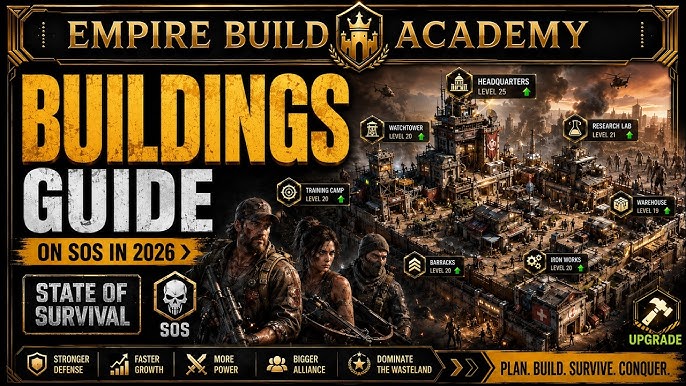

State of Survival Diamonds
100 Diamonds
 100 DiamondsUSD 0.67Buy Now
500 Diamonds
500 DiamondsUSD 3.33Buy Now1,000 Diamonds
1,000 DiamondsUSD 6.62Buy Now2,000 Diamonds
2,000 DiamondsUSD 13.26Buy Now5,000 Diamonds
5,000 DiamondsUSD 33.13Buy Now10,000 Diamonds
10,000 DiamondsUSD 67.36Buy Now20,000 Diamonds
20,000 DiamondsUSD 132.48Buy Now50,000 Diamonds
50,000 DiamondsUSD 331.18Buy Now100,000 Diamonds
100,000 DiamondsUSD 673.58Buy Now
The $5 Rule: Why Beginners Should Stop at the Second Builder
If you want the cold, mathematical truth: your total investment on your first State of Survival settlement should be strictly capped at $5.
Why $5? Because that covers the permanent second construction queue. In a city-builder strategy title, construction queues are your primary bottleneck. Having two builders working simultaneously cuts your structural progression time directly in half during the opening weeks. It allows you to push your Headquarters level while continuously upgrading your hero precincts, training camps, and research labs.
Strategy veterans avoid spending more than $5 on an account initially. Early states (servers) are chaotic. You are still learning alliance politics, state rules, and march mechanics. Many beginners discover that their initial state has collapsed under toxic leadership or inactive alliances within a month. If you only put $5 down for the second builder queue, you can abandon that base and migrate to a brand-new state without burning a hole in your pocket. Treat your first account as a training run.
Currency Breakdown: Diamonds Versus Biocaps and Coins
Outdated guides often claim that players can farm Diamonds directly from monthly events and routine survival play.
That is false. Biocaps and basic resource coins serve as the primary earned currencies within the game. You can accumulate tens of thousands of Biocaps simply by completing daily missions, ranking in alliance events, and cleaning up exploration paths.
Diamonds, however, are strictly a paid premium currency. You cannot earn Diamonds through normal grinding. They are the exclusive vehicle used to purchase premium shop bundles, gear crates, and progression items. You spend Diamonds to acquire value-added items, but you cannot use Diamonds to buy more Diamonds. Conflating free Biocaps with premium Diamonds leads players to waste real cash on packs containing items they could have farmed for free over a weekend.
Diamond Pack Math and Weekly Purchasing Limits
When you decide to purchase raw Diamonds rather than preset introductory bundles, you hit built-in account throttles. The game does not allow infinite spam-buying of smaller, discounted packs. Instead, specific diamond packages feature strict purchase caps that reset every week on Monday at 0:00 UTC.
Direct store offerings typically range from 500 Diamonds up to 10,000 Diamonds in standard denominations, alongside a tiny 100 Diamond tier.
The following table outlines the hard purchasing caps enforced on standard diamond tiers:
| Pack Denomination | Weekly Purchase Cap | Reset Schedule (UTC) | Maximum Weekly Diamonds from Tier |
|---|---|---|---|
| 100 Diamonds Pack | 5 purchases | Monday 0:00 UTC | 500 Diamonds |
| 500 Diamonds Pack | 10 purchases | Monday 0:00 UTC | 5,000 Diamonds |
| 1,000 Diamonds Pack | 20 purchases | Monday 0:00 UTC | 20,000 Diamonds |
The game enforces weekly caps on entry-level diamond tiers to prevent automated spending loops while cycling store inventory.
If you plan to fund a major event push, you cannot rely solely on sweeping the 100 or 500 Diamond tiers on the day of the event. You must plan your balance acquisition across multiple weekly reset cycles.
Comparing Introductory Packs to Raw Diamond Top-Ups
Is a $5 direct introductory pack better than buying raw currency? It depends entirely on your settlement age. A starter pack gives immediate speed-ups and hero fragments tailored for day-one survival. However, raw diamonds give you the flexibility to buy targeted crates when specific training or construction events launch.
If you want raw purchasing power for premium shop crates, you can recharge your State of Survival Diamonds to hold a balance ready for store flash deals instead of locking yourself into a rigid starter crate.
The table below compares the functional targets for different initial spending thresholds:
| Spend Tier | In-Game Target | Tactical Role | Optimal Buyer |
|---|---|---|---|
| $1 to $5 | Second Builder Queue + Starter Hero | Settlement velocity & dual construction | Complete beginners learning state dynamics |
| $10 to $25 | Raw Diamond Reserve (500 - 2,000 tiers) | Flexibility for event shop milestones | Players committed to their current alliance |
| $50 to $100+ | Bulk Diamond Bundles (5,000 - 10,000 tiers) | Immediate Battle Power spikes & gear crafting | Alliance rally leaders pushing state dominance |
Targeting the correct purchase tier keeps you from overspending before your Headquarters unlocks high-value combat systems.
Buying blindly without considering these tiers leads to buyer's remorse, especially once you discover how quickly early-game heroes fall off in utility.
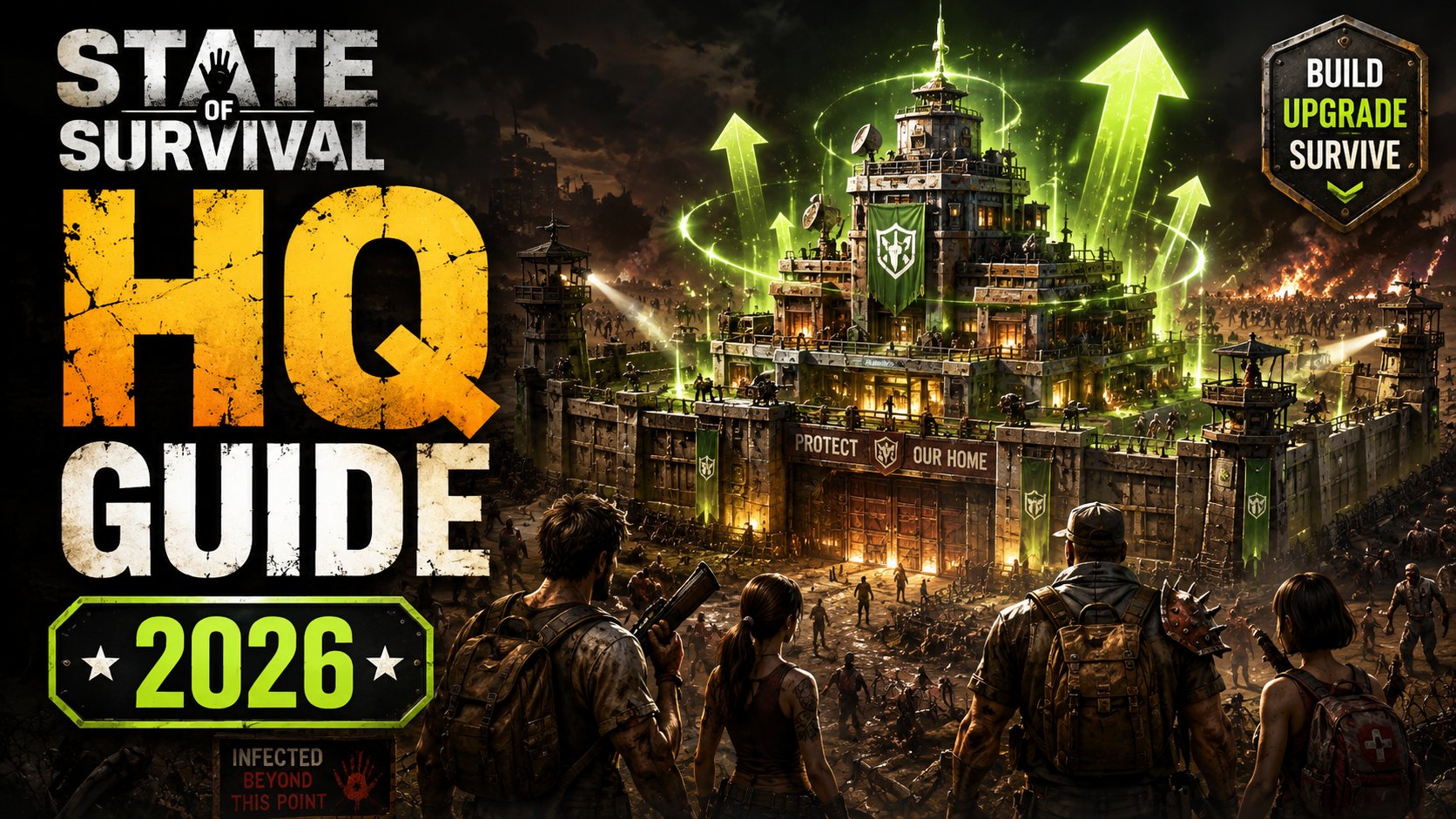
Mid-Game Reality: Headquarters 16 and the 7 Battle Power Drivers
Here is why dumping big money into day-one packs is inefficient: the game changes completely at Headquarters level 16.
Until you hit HQ 16, your settlement strength is essentially on training wheels. At HQ 16, you unlock the ability to craft and equip hero gear. Hero gear transforms your combat stats, shifting your march capabilities from basic zombie cleanup to competitive PvP viability.
Total Battle Power (BP) in State of Survival is governed by seven distinct gameplay factors: 1. Buildings 2. Troops 3. Technology 4. Chief Level 5. Chief Gear 6. Hero Level 7. Hero Gear
Introductory welcome packs address only buildings, troops, and hero levels. They provide zero assistance for Chief Gear or Hero Gear. If you sink your budget into early speed-ups just to train Tier 2 or Tier 3 troops, you will watch that Battle Power evaporate the moment an enemy rally hits your settlement. Troops die; gear lasts forever. If you must spend, save your diamonds for materials that improve persistent gear slots rather than disposable infantry.
Late-Game Meta: Generation 7 to 15 Hero Archetypes
The hero you unlock from your initial first-recharge bonus will inevitably become obsolete. As a state matures, older heroes get outclassed by new generational releases.
Starting from Generation 7 through Generation 12, heroes utilize the Hero Completion Plan. Completing a hero in this framework grants three active or passive skills, splitting characters into distinct builds: * Control Build * Offense Build * Defense Build
These archetypes follow a hard triangle counter system: Control counters Offense, Offense counters Defense, and Defense counters Control.
By Generation 13 through 15, the game streamlines this mechanic by assigning heroes to single archetypes. Generation 13 heroes focus on the Offense Build, Generation 14 heroes are assigned to the Control Build, and Generation 15 heroes embody the Defense Build.

Any cash you dump into Generation 1 hero fragments during your first week has a short shelf life. When you order State of Survival Diamonds in bulk, the strategic play is hoarding those resources until your state unlocks higher-generation hero events with long-term viability.
Milestone Discipline: When to Actually Spend Your Diamonds
Never spend Diamonds spontaneously. The absolute worst way to play State of Survival is logging in, noticing your warehouse upgrade has eight hours left, and dropping premium currency to rush it. That is burning value.
High-impact progression events, specifically Survival of the Fittest, reward milestone-based spending rather than continuous spending. Alliance leaders and top-ranked players pool their diamonds and speed-ups for weeks. When Survival of the Fittest opens, they unleash those resources to hit specific point gates.
Aim specifically for the 3rd or 4th milestone tier in these structured events. Stopping at milestone 1 or 2 yields mediocre returns. Pushing beyond milestone 4 often puts you into an expensive bidding war against major spenders. The sweet spot of resource efficiency sits right at those middle-to-high milestone tiers, where the rewards-per-diamond ratio peaks.
Account Security and Web Top-Up Mechanics
If you decide to buy Diamonds outside the standard in-app purchase flow, you must understand how third-party delivery works to protect your base.
Legitimate web storefronts recharge your account using only your User ID (UID) and FunPlus Account info. You can find your UID by tapping your chief avatar in the upper-left corner of the screen. A legitimate top-up platform never asks for your login password, your social login credentials, or your email access. If a site asks for your password, leave immediately.
Third-party recharge providers advertise discounts between 5% and 23% through regional pricing differences and bulk procurement. Those savings stretch an alliance war chest, but maintain strict limits on your total spending.
Player reports highlight scenarios where high-tier spenders (reaching VIP 10 within two months) suffered item and upgrade progression loss during account bugs without receiving support reimbursement. Never treat digital purchases in mobile war games as permanent assets. Spend only what you can afford to lose, keep your UID handy, and avoid unofficial grey-market sellers promising impossible 80% discounts.
First Purchase Comparison: In-App Purchases vs Web Top-Up
Direct in-app purchases emphasize speed, whereas third-party recharge options focus purely on diamond volume.
When you use a web store State of Survival Diamonds replenishment, you trade the instant one-tap convenience of an app store for lower costs and freedom from platform fees.
| Feature / Metric | Direct In-App Purchase (IAP) | Legitimate Web Store Recharge |
|---|---|---|
| Account Credential Required | Device App Store Login | Public Player UID & Account Info |
| Password Required? | No | Never |
| Pricing Variance | Standard retail pricing | 5% to 23% lower base rates |
| Bundle Delivery | Direct pack contents into inventory | Delivers raw Diamonds to spend in-game |
| Purchase Flexibility | Fixed to standard bundle presets | Allows stockpiling diamonds for event timing |
Web recharges provide superior price-to-diamond value, while direct IAP provides instant access to pre-packaged starter bundles.
If your goal is simply buying the $5 starter pack for the builder queue, direct IAP is quick and painless. If you are preparing for a major push during Survival of the Fittest, acquiring raw diamonds via a web store gives you far more mileage for your dollar.
FAQ
What is the recommended first purchase for a new State of Survival player?
The best initial purchase is the permanent second builder queue, priced around $5. This investment doubles early construction speed without overcommitting cash to an early settlement you might abandon later.
What can you buy with State of Survival Diamonds?
Diamonds can be spent on value-added shop bundles, hero packs, speed-ups, and premium hero or chief gear. They cannot be used to purchase additional diamonds.
Are there limits on how many Diamond packs you can buy each week?
Yes, specific diamond tiers carry weekly caps that reset every Monday at 0:00 UTC. For example, the 100 Diamonds pack can be bought 5 times, 500 Diamonds 10 times, and 1,000 Diamonds 20 times weekly.
How does hero progression change as your account advances?
At Headquarters level 16, you unlock hero gear crafting to raise Battle Power across seven key factors. Later generations (Gen 7–15) utilize the Hero Completion Plan with specialized Control, Offense, and Defense counter builds.
When is the most efficient time to deploy Diamonds and purchased packs?
Deploy diamonds during major milestone events like Survival of the Fittest. Concentrating spending to hit the 3rd or 4th milestone tier ensures significantly higher resource returns than ad hoc daily spending.
How do third-party diamond top-ups work for State of Survival?
Legitimate web top-ups credit diamonds to your account using your User ID (UID) and FunPlus account identifier. Once credited, you redeem those diamonds directly inside the in-game store for your desired crates or packs.
The Final Verdict on the Welcome Pack
Buy the second builder queue for $5, claim your introductory first-recharge hero, and close your wallet. That gives you all the mechanical advantage needed to clear early settlement milestones.
Do not chase early troop training packs or sink your budget into Generation 1 hero fragments that will be completely obsolete by the time your state reaches Gen 7. If you find an active alliance and decide to stay long-term, save your spending for raw Diamond reserves during the Monday weekly resets, push your Headquarters to level 16 for hero gear crafting, and spend your currency exclusively to clear the 3rd or 4th tiers of Survival of the Fittest.


Comments